
South Florida Has Warm Weather and Friendly Taxes

As the doldrums of winter continue throughout much of the United States, there are a few hot spots…pun intended…to escape the winter chill. Florida stands out as a unique destination for multiple reasons, the warm winter weather only being a small piece of the larger financial pie. Americans are leaving the higher taxed states of California, Illinois, New Jersey and New York and according to the National Association of Realtors Florida and Texas are seeing the most of that migration.
The state of Florida’s tax burden has been ranked as one of the nation’s lowest for years according to the Tax Foundation, a non-partisan and non-profit research and educational organization. Florida does not have an estate tax, an inheritance tax and most importantly for many individuals does not have a personal income tax. The state does impose a variety of taxes like sales and property taxes.
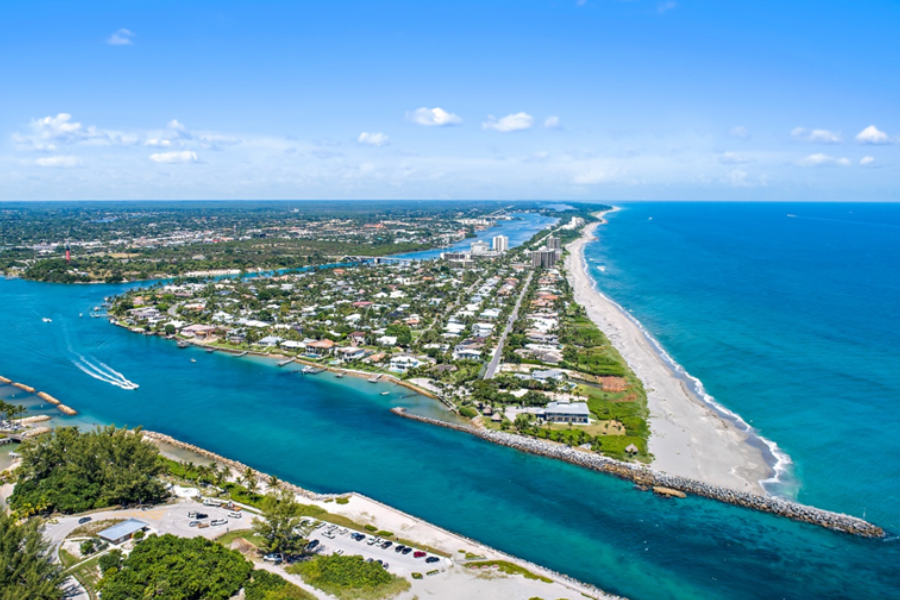
Property Taxes in Florida
The Constitution of Florida dictates that the state does not use any of the revenue from this tax, but it is all reserved for local governments. These taxes are based off the “just value” of the properties as assessed by local appraiser as of January 1 of each year.
These increases in value are limited to 3% of the prior year’s assessment or the CPI (Consumer Price Index)…whichever is less. This limitation is also known as the “Save our Homes” cap.
Millage rates are how the taxes are based, with 10 mills being equivalent to 1%. This rate is then multiplied by the value of the property to find the taxable dollar amount. The local county, city and school districts can levy these taxes at a rate up to 10 mills each. (Read more about millage here)
It is important to note that special districts such as water management districts may also levy additional taxes as well.
Florida’s property taxes do include exemptions such as the homestead exemption of up to $50,000 (read more on homestead exemptions here). The state also has additional benefits available for the disabled and adults over the age of 65. Four other exemptions for veterans are available too. Exemptions for widows/widowers allowing for a $500 exemption provided they have not remarried and were not divorced at the time of their spouse’s passing. There is also an exemption available for homeowners who are legally blind of $500.
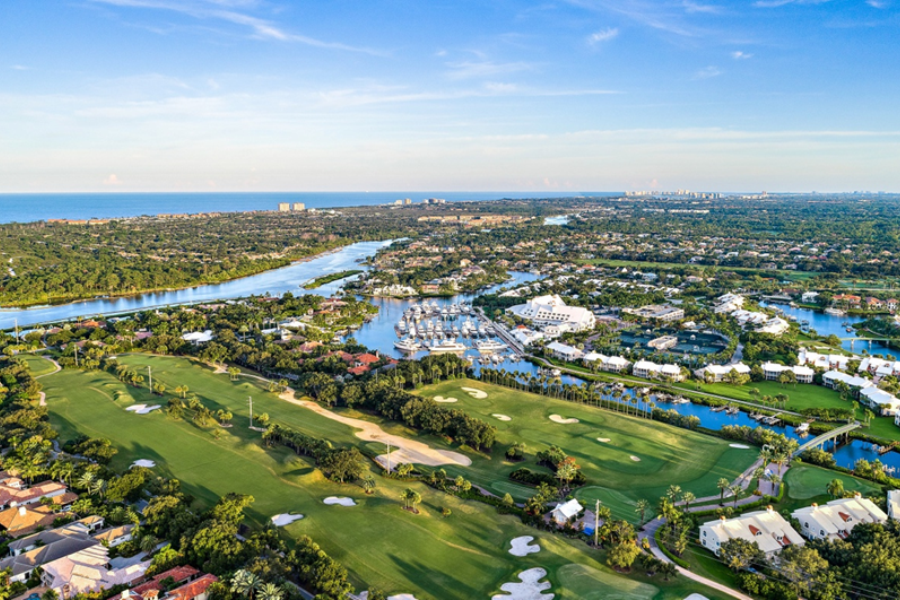
Florida Personal Income Tax
As one of only 9 states with no personal income tax, Florida also does not have a tax on intangible assets such as stocks, bonds, and mutual funds. This tax was repealed in 2007 making this type of property no longer taxable.
How do you qualify to be taxed as a Florida resident? Easy, spend most of your time in Florida! You must be able to satisfy the Florida residency requirements. To do so you must show that Florida is in fact your permanent and primary home. Think actions not words. Many states have what is referred to as a “183-day rule”. That is if you own a home in a state and spend at minimum 183 days per year in the state (so basically 6 months).
Once you do make Florida your primary state of residence, many of those higher tax states will still want you to pay taxes as a resident instead of only paying taxes on the income you make in-state.
If you make the move to Florida, be prepared to back it up. Here are just a couple of ways you can show you are in fact a resident of Florida:
- Follow the 183-day rule
- Get a Florida driver’s license
- Insure and register your car/truck in Florida
- Register to vote in Florida…and ACTUALLY vote in Florida as well.
- Enroll school aged children in Florida schools